Understanding the Impacts of Inflammation on Mental Health
Inflammation is often linked to physical illnesses like arthritis or infections, but its effects reach far beyond the body. Recent research shows that inflammation can play a significant role in mental health, influencing mood, cognition, and behavior. Understanding this connection can help people recognize symptoms and seek appropriate care.
What Is Inflammation and How Does It Affect the Brain?
Inflammation is the body's natural response to injury or infection. It helps protect and heal tissues by activating the immune system. However, when inflammation becomes chronic or excessive, it can harm healthy cells and organs, including the brain.
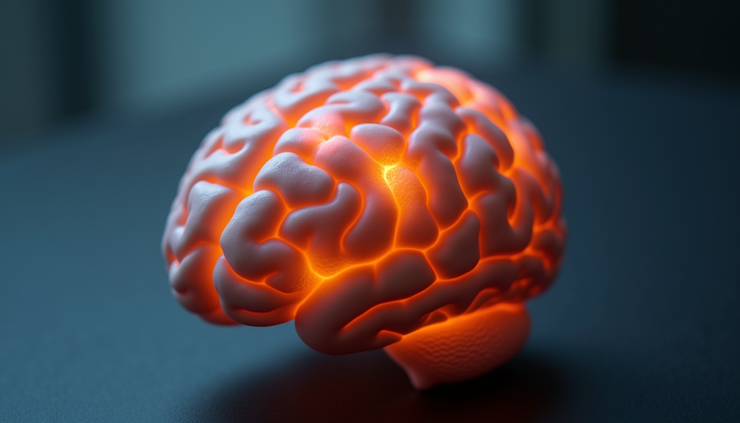
In the brain, inflammation can disrupt communication between neurons and alter the balance of chemicals that regulate mood and cognition. This disruption may contribute to symptoms such as fatigue, difficulty concentrating, and feelings of sadness or anxiety.
Links Between Inflammation and Mental Health Disorders
Studies have found higher levels of inflammatory markers in people with various mental health conditions. For example:
Depression: Elevated cytokines, proteins involved in inflammation, are common in people experiencing depression. These molecules can affect neurotransmitters like serotonin, which regulate mood.
Anxiety: Inflammation may increase stress hormone levels, leading to heightened anxiety responses.
Bipolar disorder: Episodes of mood swings have been associated with changes in inflammatory activity.
Schizophrenia: Some research suggests inflammation contributes to cognitive impairments and psychotic symptoms.
These findings suggest inflammation is not just a side effect but may actively contribute to the development or worsening of mental health issues.
Causes of Chronic Inflammation That Impact Mental Health
Several factors can trigger or maintain chronic inflammation, including:
Poor diet: High intake of processed foods, sugar, and unhealthy fats can promote inflammation.
Stress: Long-term psychological stress activates inflammatory pathways.
Lack of exercise: Physical inactivity reduces anti-inflammatory effects.
Sleep problems: Poor sleep quality increases inflammatory markers.
Chronic illness: Conditions like obesity, diabetes, and autoimmune diseases keep the immune system activated.
Addressing these factors can help reduce inflammation and support mental well-being.
Practical Steps to Manage Inflammation for Better Mental Health
Taking control of inflammation involves lifestyle changes and, in some cases, medical treatment. Here are some strategies:
Eat an anti-inflammatory diet: Focus on fruits, vegetables, whole grains, lean proteins, and healthy fats like omega-3s found in fish and flaxseeds.
Exercise regularly: Moderate physical activity, such as walking or cycling, helps lower inflammation.
Manage stress: Techniques like mindfulness, meditation, or yoga can reduce stress-related inflammation.
Improve sleep habits: Aim for 7–9 hours of quality sleep per night by maintaining a consistent schedule and creating a restful environment.
Consult healthcare providers: For chronic conditions or severe symptoms, professional guidance is essential. Some medications may target inflammation directly.

The Role of Inflammation in Treatment Approaches
Understanding inflammation's role in mental health opens new possibilities for treatment. Researchers are exploring anti-inflammatory drugs as potential therapies for depression and other disorders. While these treatments are not yet standard, they highlight the importance of considering physical health in mental health care.
Integrating mental and physical health approaches can improve outcomes. For example, combining psychotherapy with lifestyle changes that reduce inflammation may offer better symptom relief than either approach alone.
Recognizing Symptoms That May Be Linked to Inflammation
People experiencing mental health symptoms alongside physical signs of inflammation should consider discussing this with a healthcare professional. Symptoms may include:
Persistent fatigue or low energy
Brain fog or difficulty concentrating
Mood swings or increased irritability
Unexplained aches or pains
Digestive issues
Early recognition and intervention can prevent symptoms from worsening.


Comments